
Daily routines
Support may include bathing, dressing, meals, mobility, activities, rest and family communication.
Ongoing nursing care and daily support centered on comfort, dignity, connection and the routines that make a place feel like home.
Residents may need help with bathing, dressing, medications, meals, mobility, rest, activities and communication with family. The goal is to keep clinical oversight connected to dignity, routine and personal preference.
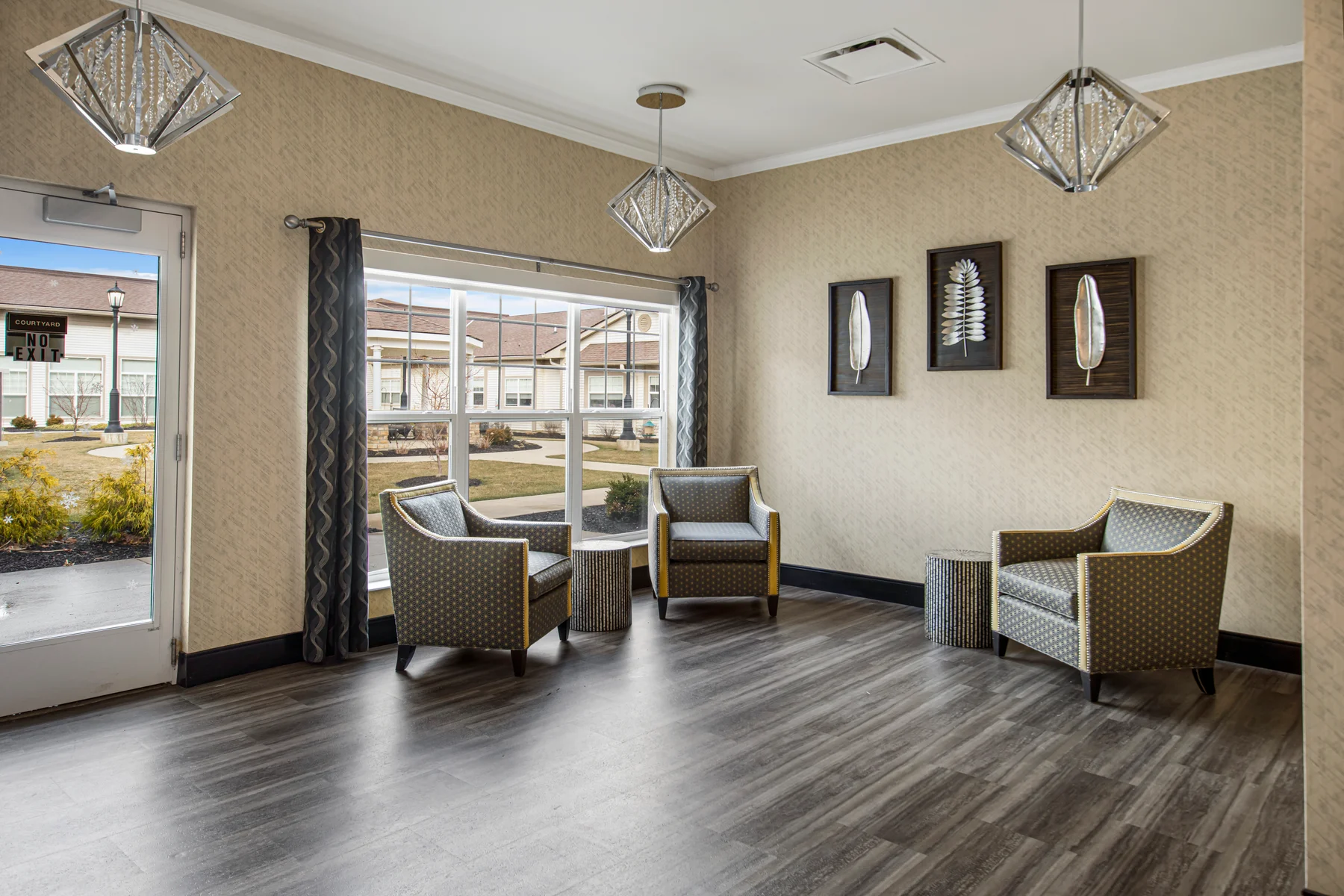
Private suites, dining spaces, lounges and outdoor areas help the setting feel less institutional while skilled nursing remains close.
Care may involve chronic-condition monitoring, restorative nursing, wound care, respiratory considerations, diabetes support, nutrition coordination, pain management and therapy when ordered.
Support may include bathing, dressing, meals, mobility, activities, rest and family communication.
Nursing oversight connects medications, monitoring, treatments, condition changes and physician communication.
Care planning should consider preferences, abilities, comfort, family involvement and meaningful daily rhythm.
Families should bring current physician information, medications, recent hospital records, equipment needs and questions about coverage or timing.
Each service depends on orders, clinical review and whether the resident's current needs fit the local program.
Cancer care in a skilled nursing setting is organized around comfort, medication routines, nutrition, therapy tolerance, skin awareness, and outside physician coordination.
The care plan should respect treatment schedules, energy levels, infection precautions when relevant, and the resident's personal goals.
Cardiac care focuses on stamina, weight or fluid concerns when ordered, medication adherence, symptom reporting, nutrition, and safe activity.
The care team watches how shortness of breath, fatigue, swelling, pain, anxiety, or weakness affect daily routines and therapy participation.
Counseling support recognizes that care transitions are emotional as well as medical.
Residents may need help coping with uncertainty, loss of independence, family stress, or the daily work of recovery.
Diabetes care connects nursing, dietary planning, medication timing, skin checks, hydration, and activity levels.
The team reviews how blood sugar patterns, appetite, wounds, infections, pain, and therapy participation affect the plan.
IV care depends on the exact medication or fluid, route, schedule, duration, and monitoring requirements.
The admissions review should include the current order, line type, pharmacy needs, supplies, infection precautions, and whether therapy can be coordinated around infusion timing.
Neuromuscular care blends nursing, therapy, safety planning, restorative routines, and support with activities of daily living.
The plan may evolve over time as strength, fatigue, cognition, pain, or respiratory status changes.
Nutritional management connects dining, clinical orders, resident preferences, hydration, texture needs, wound healing, diabetes support, and cardiac considerations.
Nutrition planning is most useful when the resident's appetite, cultural preferences, swallowing recommendations, and medical needs are discussed together.
Pain management includes medication routines, repositioning, therapy pacing, communication, and careful observation of how pain affects function.
A useful pain plan balances comfort with alertness, mobility, safety, and the resident's goals.
Rehabilitation is not limited to short stays. Long-term residents may need therapy after a decline, illness, fall, surgery, or change in condition.
Goals may focus on maintaining function, restoring a lost skill, improving transfers, supporting communication, or preserving participation in daily life.
Respiratory care may be part of an ongoing skilled plan when breathing-related orders, equipment, monitoring or therapy tolerance require coordination.
The care team connects respiratory needs with nursing communication, medications, meals, rest, skin integrity and family updates.
Restorative nursing reinforces abilities outside formal therapy through consistent routines and staff encouragement.
The focus may include walking, range of motion, transfers, dining participation, grooming, continence routines, or other everyday tasks.
Stroke care can involve nursing oversight, physical therapy, occupational therapy, speech therapy, swallowing strategies, medication routines, and family education.
Progress is often uneven, so the plan should account for fatigue, communication changes, safety awareness, nutrition, mood, and caregiver preparation.
Tracheotomy care supports residents with airway-related needs through skilled nursing oversight, respiratory coordination and careful attention to orders and equipment.
Care planning also considers skin, communication, swallowing, mobility and comfort.
Ventilator care is reviewed carefully around physician orders, equipment needs, respiratory support, nursing oversight and whether the community is appropriate for the resident's condition.
No admission is automatic. Current documentation, timing, coverage and clinical fit guide the review.
Wound care includes ordered treatments, monitoring, skin protection, nutrition awareness, pain communication, and attention to mobility or pressure-relief routines.
A strong wound-care plan often involves nursing, dietary awareness, therapy, physician communication, and family education about what to watch for.